Thursday, April 17, 2014

On my way...

My life reduced to backpacks again.
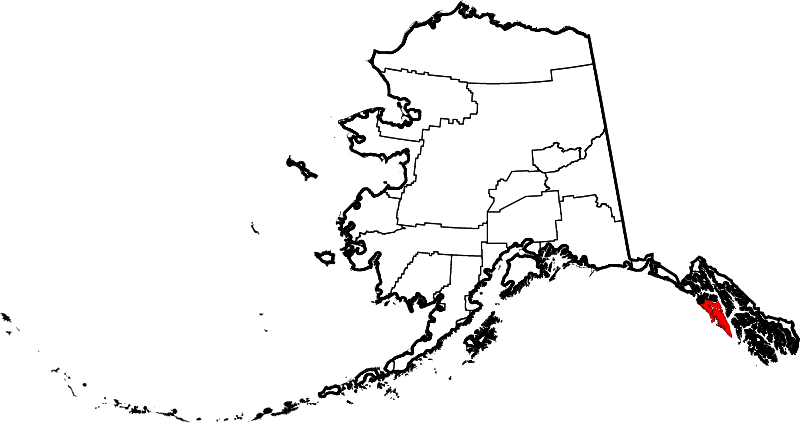
Tomorrow I leave for Alaska for the 3rd time in my life. God I'm a lucky girl! I've spent the past two days consolidating my belongings to fit in 4 bags, this time with no place to store anything that I can't take with me. I'm moving out of my apartment in Spokane for good, heading to Sitka, and seeing what happens from there. Peter left yesterday, much to my dismay, and it will likely be 5-6 months before we see each other again (though we both have our fingers crossed we can fit in at least one visit mid-summer).

This is also the last day I will have home internet access, so periodic blog updates should be fairly comprehensive this summer to keep everyone updated on my adventures.  I should have cell service, so that's probably the best way to get in touch with me.

Hopefully before I leave tomorrow, or en route, I will be putting up one more post on Sitkan history. Last night I delved pretty heavily into Russian Tsars and colonial battles to distract myself from the sadness of Peter leaving, so I'll try to type that up before I forget.

I love you all, and will do my best to stay in touch this summer!

Monday, April 14, 2014

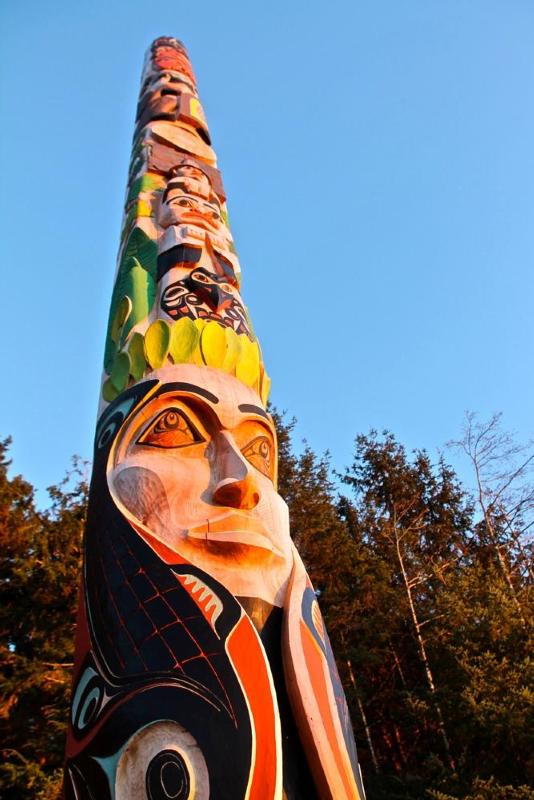
The anthropology of totem poles

When I arrived back in Spokane last week, I came home to a package from Sitka National Historical Park. Inside were the following contents:
My loot

  • A postcard from the supervisors
  • The Most Striking of Objects: The Totem Poles of Sitka National Historical Park
  • Carved History: The Totem Poles and House Posts of Sitka National Historical Park
  • The Russian Bishop's House: Legacy of an Empire 1842
  • For God & Tsar: A Brief History of Russian America 1741-1867
  • A key-shaped thumb drive
It took me a while to figure out that the key was, indeed, a thumb drive, but when I plugged it into my laptop, it came up with folders upon folders of training documents, amounting to literally hundreds of pages of information.

Where to begin? I wondered.

I decided to start with totem poles, one of Sitka's most prominent tangible features. I read all the documents in the "Totem Poles" folder, and then spent the next 3 days taking notes on The Most Striking of Objects, which actually contains a surprisingly thorough history of the topic.

NPS photo
In order to understand totem poles, one must first have some knowledge of the Tlingit (pronounced "KLINK-it"), one of the most prosperous sedentary non-agricultural societies in the world. Reading up on the Tlingit totally brought me back to my anthropology classes in college, studying the works of Levi-Strauss and Boas, who contributed greatly to our modern understandings of Northwest indigenous groups.

What made Tlingit society so prosperous, though? Well, their villages contained multiple clans, each self-governed by a clan leader, with the dominant clan's leader ruling the entire village. This matrilineal society as a whole is divided into 2 moieties (descent groups), Eagle/Wolf and Raven. As such, Eagles can only marry Ravens and vice versa, with lineage being passed down through the mother (i.e. if the mother is Raven, her sons and daughters will also be Raven even though their father is Eagle). Pretty neat, huh?

So now we come to our totem poles. These first came about most likely as house posts, and then to represent clans, or families, in the villages, often presented at potlatches given by influential village members. The word comes from the Algonquin word "ototeman," meaning "he is a relative of mine." There are 3 main types of poles:
  1. Crest poles: located in front of each clan house, facing the ocean, and identifies the family who lives there. These usually displayed the moiety affiliation and other animals associated with the clan.
  2. Memorial poles: Honor someone important or deceased; some hold the ashes of the deceased in a cavity in the back or on top of the pole. These were often plain in design with one figurehead on top.
  3. Legend poles: Record events or the history of a clan, often with multiples figures or designs throughout.
The design and placement of a pole can also have a bearing on its purpose. Some poles were designed to shame someone who failed to pay a debt or committed a crime; others might commemorate a significant event. 

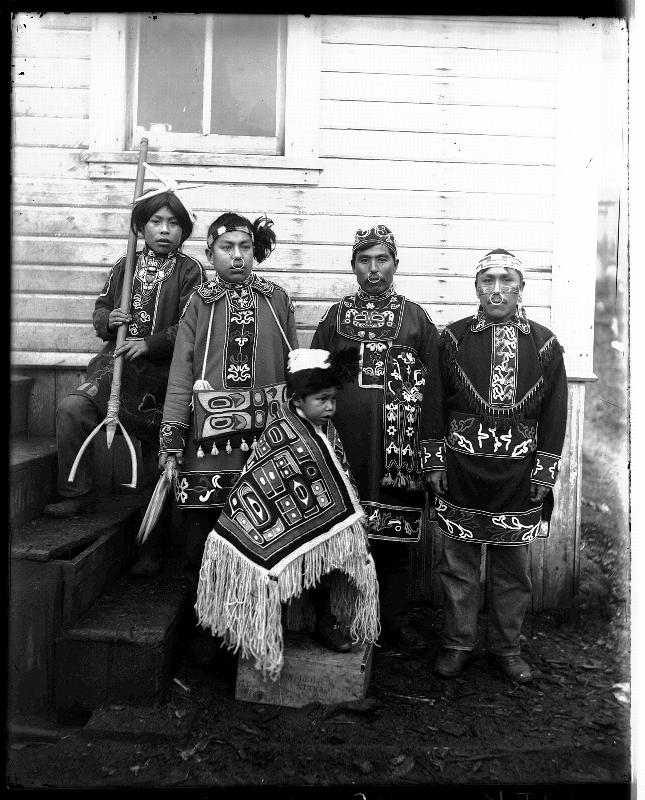
NPS photo/E.W. Merrill
Then of course, European contact happened. It started with the Russian fur traders in 1741 who discovered the abundance of sea otters around Alaska's southeastern islands. As the century progressed, British and later, American explorers also hopped on the bandwagon actively trading with the Tlingit -- and not only furs, but also alcohol and other foreign commodities, making way for the eventual acculturation and cultural borrowing of the indigenous communities.

Interestingly, aside from the introduction of new diseases and alcoholism into Tlingit society, the native groups gained some benefit from their commercial relationship with the Europeans. They began carving more totem poles, and even became capitalistic, trading with more remote native tribes and then selling to the Europeans at inflated prices.

In some ways, this worsened the economic disparity present in Tlingit society. Only higher ranked members traded with the Europeans, which further elevated their status, while lower-class villagers remained in their lower ranks. It wasn't until the "virgin soil epidemics," when new diseases were introduced, that the social statuses were evened out because of the population reduction (and hence opportunities for lower-status members to assume higher ranks).


Those shifty Europeans... (NPS photo/E.W. Merrill)
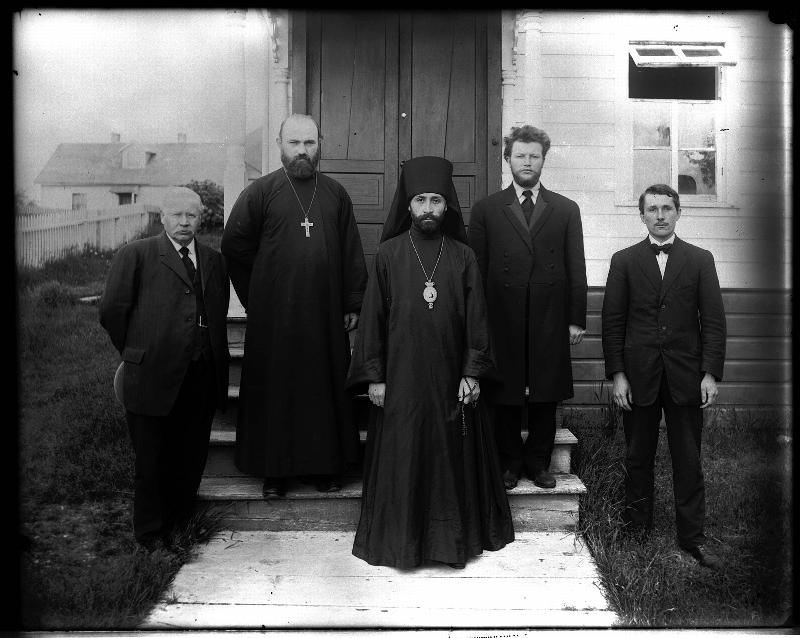
With the expansion of the fur trade and European presence in southeast Alaska came the missionaries. The only major attempt, however, was the Russian Orthodox Church, which met resistance from the Tlingit society. By this time, the Tlingits were already so prosperous, materialistic, and individualistic that they saw no benefit to converting to the Western ways, and continued about their business as usual. 

After Alaska was purchased in 1867 however, American policies and missionaries became more predominant, and the native culture slowly began to wane. Alcoholism ran rampant, the fur trade industry gave way to commercial fishing as the sea otters were hunted out, and the native villagers went to work for fish canneries. In addition, shamans lost their credibility with their inability to cure the introduced diseases, causing a rift in native healing traditions and beliefs. With Christian missionary schools popping up like dandelions, totem poles became less significant because they were seen as heathen icons.

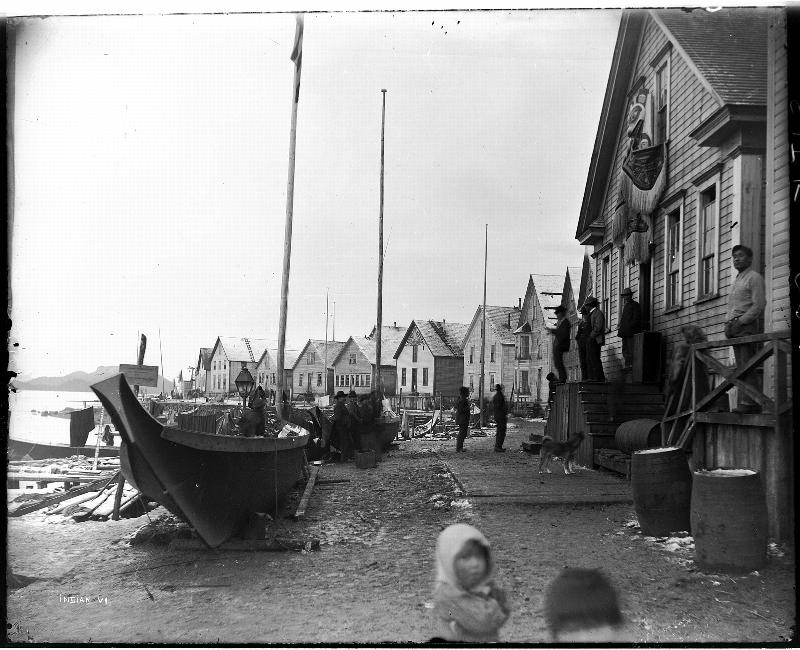
A glimpse of Sitka at the turn of the century (NPS Photo)
By this point, it's the 1890s and things are not going well for the Tlingit. So enter our hero, Governor John Brady. He actually had a pretty good relationship with the Tlingit, and was commissioned to collect totem poles for two upcoming World's Fairs, the Louisiana Purchase Exposition in St. Louis, and the Lewis & Clark Exposition in Portland in 1904. With these, he created elaborate displays of native culture in Alaska, spurring a renewed interest in tourism and homesteading on the Last Frontier.

After the World's Fairs in 1906, the totem poles were brought back to Sitka and placed in the government park, what is now Sitka National Historical Park (I told you it was the oldest federal park in Alaska, didn't I?). The poles were erected and arranged by one Elbridge W. Merrill, an eccentric local photographer who eventually became the park's caretaker. He arranged them to be aesthetically pleasing along the park's trail, and cared for them for years but refused to be employed and paid by the park service.

Interesting side note: at this point in 1918, an NPS ranger's annual salary was a whopping $12 per year!

Well, eventually the park received more funding, with FDR's New Deal, the Civilian Conservation Corps, and the Works Progress Administration, allowing for better upkeep of the totem poles. They were re-carved in the 1940s, as most of them had rotted away and in 1972 the park was christened Sitka National Historical Park by Pres. Nixon, securing it slightly more adequate funding and providing federal protection of the totem poles and historic sites located within its boundaries.

So there you have it, the abbreviated history of Sitka's totem poles as interpreted by yours truly.

Up next, Russian tsars, bishops, and bloody battles!

Monday, March 17, 2014

Summer in Alaska 2013: memories on film

I just realized I never posted this film I created of my last summer in Northwest Alaska. It seems rather fitting now, as I prepare to begin a new chapter on the Last Frontier, to look back and see everything I've done and anticipate all the wonderful things to come.

Friday, March 14, 2014

Back to Alaska!

Time to dust off the old blog, shake it out, and open it up to a fresh new page, because I'm headed back to Alaska. Just as I'd hoped for this summer, I have been hired to work as a park ranger again, this time for Sitka National Historic Site.

Located on Baranof Island in southeast Alaska, Sitka is a fishing town of about 9,000 people steeped in a rich background of Tlingit culture and historical Russian rule. This history is precisely what my new national park unit commemorates, so I can't wait to start learning more and teaching others about this area.

As for my new job, I will have many of the same duties I had in Bering Land Bridge, such as leading ranger walks, developing programs, contributing media work, and running the visitor center, but this time with a focus on the Tlingit and Russian history of Alaska. I'm especially looking forward to doing all this in a brand new place with new people and new (epic) environments to explore.

So, in the next month or so, keep an eye out for regular updates on my new adventures in Alaska!

Tuesday, October 1, 2013

Allons-y! A Summer in Review

It is with mixed emotions that I am here to report that I now know where I'm going. For the short term, anyway. After much hemming and hawing and budgeting on scrap pieces of paper, I bought myself a ticket back to Florida until the end of October. It turned out to be about $500 cheaper than my other travel schemes, and I need to see my family anyway. From there, the plan is to head to Spokane, WA, to seek out a new life, yet again. 

I guess it goes to show once more that most of the time, things don't go the way you want them to. But if you make the best of it, you'll have a lot of good times to look back on. 

Last night, I took a moment to do just that. Dreading going outside in the chilly wind, I bundled up in my layers, and strolled down to the beach for one last walk to commemorate the summer. It was a gorgeous evening, and not even as cold as I had anticipated. 

It was that magic hour of this time of year when the Arctic reverses the colors of earth and sky. It was as if it threw the oranges and pinks of the autumn tundra into the evening air, as the sky cast down her pastel cerulean and sapphire into the shadows and the water. The cliffs hung pale purple in the distance, a surreal backdrop beyond the glassy ocean. The air smelled of campfires. 

Snow in June!
When I arrived in June, I saw the very last snowfall of spring, and now as I leave, I have seen the first snowfall of autumn. How apropos!

Taking in the epic vista
As I had anticipated, coming back to Northwest Alaska a second time brought with it new perspectives. It now all seems so familiar. In some ways, I am no longer as awed by the environment as I was last year, but I have a different appreciation for it, a feeling of belonging within it and being a part of it.

The classic "Ranger Pointing at Things" pose
Becoming a Park Ranger came with its own joys and challenges. Working as a uniformed civil servant surprisingly did a lot for my self-confidence, along with the responsibilities of being a leader, teacher, and guide for the hundreds of people of all ages and walks of life that I worked with over the summer.

Interpreting a reindeer antler on the tundra
My favorite memories of work this summer were of guiding hikes, and unfortunately my least favorite were of teaching two gigantic groups of summer campers.
My ginormous summer camp group
Despite the chaos of teaching so many kids, it was a good experience to learn how to work with large groups in outdoor settings (and know that it's something I'd like to avoid in the future!).

Leaving White Mountain with my colleagues
And of course, village trips were always eye-opening. White Mountain was definitely the most fun, but even traveling to Teller was rewarding, as many of the kids recognized us from last year and were excited to learn what we came to teach.


Outside of work, the summer was filled with near-weekly bonfires, Sunday family dinners with the roommates (a different cuisine attempted every week!), walks on the beach, hikes on the tundra, fishing, berry picking, lots of cooking, and lots of card games.

After a whirlwind trip to the top of Alaska, September was my month of solitude, as the last interp ranger standing. Fortunately, I was able to make myself super busy at work, by creating 3 new exhibit posters (one of which was a 6-panel spread), reorganizing the office, giving community programs, and a ton of other end-of-season tasks. After work, I busied myself with a new watercolor project, job searching, cooking, writing, and working out. Fortunately, the month flew by.

Seems that all the extra work paid off, too -- I had my performance evaluation yesterday, and scored in the highest category possible! I knew I had done well, but it felt amazing to be described as a "natural interpreter" and "exceptional" media specialist. Wow. Talk about an ego-booster!

So now it's October 1st. Tomorrow I head to Anchorage from Nome, for probably the last time, via Unalakleet (might as well see one more village on my way out!). Unlike last time I left, I feel like my experience is complete, it's time to go. As they say, my work here is done. I feel satisfied, fulfilled, and ready to move on to the next adventure. See you there!

Saturday, September 21, 2013

Where am I going?

I love Nome, AK. I really do. It will always have a special place in my heart. But last week, upon purchasing my final ticket out of here for October, I was flooded with a feeling of relief that seemed to wash a great burden off my chest unexpectedly. Along with this relief has come a new sense of hope for the future, rather than the grinding stress I've been feeling for months over where I'm going from here. It seems that the simple fact that I have a ticket out of Nome was just what I needed to spark my wanderlust again.

Blowing in the winds of early summer
So here's the scoop: I just bought a ticket to Anchorage via bush flight (it was cheap!). Where I'm going from Anchorage however, still remains to be determined with just 10 days to go. What the hell am I doing??

At this point, it's looking like I might end up in Spokane, WA to room with some old friends. It's a cheaper place to be jobless than Alaska, and I think it'll be a good place to adjust to normal life again. Sure, it would be cheapest to go straight back to Florida, but part of me really wants to break this cycle of going home every time I finish a job. I want to experience being a young adult on my own in a new place again, and see what I can do this time.

I feel so incredibly inspired and empowered right now to just travel and just be. It's possible that I might end up with a new job right away -- I just found out yesterday that the NPS office in Anchorage might be hiring, so I could very well end up there. Or perhaps I'll come to the conclusion that I really do just need to go home and get my sh** together like a intelligent human being.

Either way, I'm so ready to get out of Nome. I'm so ready for new faces, new community, new responsibilities, new challenges, new scenery. I love bush Alaska, but my future beckons greater horizons. Just thinking of moving to a new place has me giddy with excitement, wherever it may be.

So for all of you wondering where I'm going next, the plain and simple answer is: I don't know. And I don't have much time to figure it out (but it's going to be great!).

The seasons are changing again, into the brilliant hues of fall on the tundra. We had our first snow in town 3 nights ago, and I can already see new snow clouds gathering in from the east as I type this, looking dramatically dark against the evening sunlight. I sure am going to miss Northwest Alaska, but I can't wait to see where this winter's winds will take me next.

Sunday, September 8, 2013

Adventures at the Top of the World

A steady snowfall of big, fat clumps of flakes descends from the gray, mid-afternoon sky, mixed with cold rain, and illuminated by an industrial floodlight on an adjacent building. The ground is muddy with puddles the size of small ponds outside. A faint aroma of gasoline and burning fuel wafts in through the slightly opened window pane, an ironic contrast to the soft touch of the Arctic ice crystals floating down from the heavens.

I am in Deadhorse, AK, sitting in a shipping container-turned-bedroom at an oil company work camp. I came here originally to visit someone for a few days, but that stay has turned into over a week, thanks to my flight getting canceled for foggy weather. I don't mind too much. It's been an interesting soul searching sort of experience here at the top of the world, I suppose.

Deadhorse: almost as far north as you can get in AK
To be honest, I'm a little intimidated by Deadhorse. It's all oil companies, industrial work sites, and man camps full of grizzled Alaskan men working 12-18 hour days on the pipeline, roads, and airport. I've seriously only seen about a dozen other women, and probably hundreds of men since I've been here. I feel so out of place.
Yes, their sign on the general store has a dead horse on it.
The landscape is flatter than Florida Everglades, if that's even possible. It's brown and marshy with the patterned frost heaves I've seen in the coastal areas around the Seward Penninsula, yet so much flatter. I keep thinking its foggy outside, but then I realize I'm looking all the way to the horizon under a flat, dark gray sky that gives absolutely no depth perception. Technically we still get 15 hours of daylight here, but it still seems dark and cold and gray all the time.
Pump station for the Alaska Pipeline
This entire town seems like one big construction site. If you're not wearing a reflective vest and hard hat, you probably shouldn't be here. Nonetheless, I got to see a little of what these guys get paid $30/hr to do, for a couple days. I spent some time in a rock lab, where I learned how to sort and weigh dry samples of rock material, and how to wash said rocks for further drying and weighing. It takes a really long time, and seems like there could easily be machines to get the same results.

Everything everywhere is just mud and dust and rocks and dirt. They even make you wear little blue coverings over your shoes in every building you walk into, just to keep the floors minimally clean. Fascinating.


Road Trippin'
The Long and Winding Pipeline
On Labor Day, we were able to take a road trip down the Dalton Highway, which starts a little north of Fairbanks and ends in Prudhoe Bay, cutting through the Brooks Range and in between Gates of the Arctic NWR to the west and the Arctic NWR to the east. Our destination was Coldfoot, but we never made it that far. Nevertheless, the drive was drop-dead gorgeous. The terrain transitioned from its flat, brown marshiness to a spectacular rise of the mountains. The whole length of the several hundred mile highway is paralleled by the Alaska pipeline.

Gorgeous rock formations
Well, as luck would have it, about 2 hours into the trip, the gas light came on with a cheerful 'ding!' Being the Dalton Highway there are no gas stations. Also being the Dalton Highway, however, there are lots of work camps, and fortunately, private fuel stations at some of these for their private rigs. Our best hope was to press on, my dear friend having some inside knowledge that there was a fuel station closer ahead of us than behind us, and we could possibly perhaps win enough sympathies of some of the workers that they'd help us out.

Well, we drove and drove and drove through increasingly gorgeous mountains, ascending in altitude as our fuel gauge descended its needle down past the E for Empty. Expecting the engine to die out at any second, we pressed on through the snowy spires of dramatic peaks and shining ridges smoothed by recent avalanches. Somehow, the engine held out for over an hour, with the needle well below empty.

Just before Atigun Pass
We were driving carefully up the last, and particularly treacherous incline, known as Atigun Pass, before the fuel station, when suddenly the engine tuckered out as we slowed to let giant semi truck by on the narrow pass. The roar of the passing vehicle faded away into silence. The poor car sputtered a couple times with a last attempt to turn the key, before sighing into a resigned slumber.

Time to start walking. We loaded my backpack up with 6 bottles of water, and began the 3 mile trek to the work camp to get to the fuel station. Thank goodness it was such a breathtakingly gorgeous place and with such good company! I couldn't ask for a better adventure. Uphill, downhill, uphill again, passed by speeding semis. We could have hitchhiked, but the weather was perfect, chilly and sunny, we were enjoying the walk way too much and figured it would be easier to hitch on the way back carrying a fuel can and with more cars coming from that direction.

Eventually we made it to camp, found some friendly acquaintances, and got fuel and a ride back to our truck. We drove back to fill it up all the way and hung out with the workers a bit, as they all ranted about their boss and long work hours, using such colorful language I haven't heard since college.

The drive back was much less harrowing in terms of fearing the car was going to die, but this time challenging because we were so exhausted. I took the wheel on the way back, traversing the potholed road with such skill as one can only glean from driving in Nome for the last year. ;) Despite the mishaps, it was a better day than I could have ever dreamed of.

On one of my last days, we took a hike out on the tundra near camp before the fog began to roll in thick and heavy again. We tromped around for a while looking at birds and animal tracks, and on our way back, noticed a man standing in front of one of the buildings, smoking and staring pointedly at us.

"Y'all are brave to be walking around out there!" he called as we clambered back up to the parking lot. He had kind of a New York mafia vibe about him. "There was a family of bears here last night!"

We got to talking, and he showed us photos and videos on his phone of two adult grizzlies and a cub climbing around the dumpster just below the building the night before. He remarked they had run off right into the tundra where we were hiking.

He then showed us a picture of a polar bear -- "I seen this guy just a few days ago, 30 minutes from here!" he said, scrolling through relatively close-up pictures of a polar bear off the side of the road. No way! Although I didn't get to see one myself, I somehow derived great satisfaction from the fact that it had been spotted so close to where we were during the same week I was there. :-)

In the following days I was stuck in Deadhorse, I enjoyed a much needed vacation from Nome, regardless of not liking the town that much and missing so many days of work. It was a good eye opener to yet another part of lesser-known Alaska and the inner workings of the industries that make the rest of our world go round, so to speak.

I came up to the top of the world for many reasons, but as with all great journeys, I have discovered more that I didn't expect, than things I anticipated. Life has a funny way of working out, and the more we see and experience, the more we grow in so many ways.

Though now tired and horrendously behind on work, I feel refreshed, fulfilled, and ready for more adventures to come, quite in spite of the near future's uncertainty.